

The Art of Timekeeping: Setting an Antique Watch
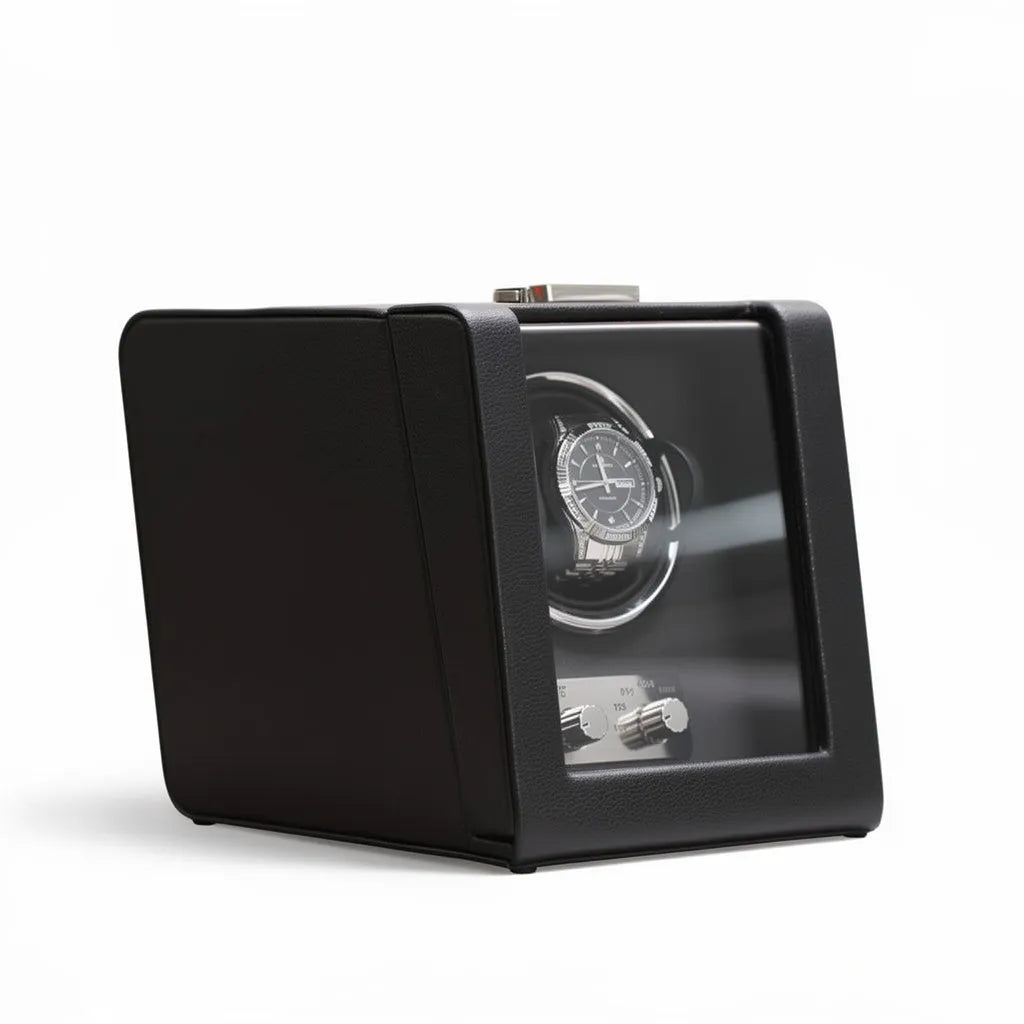
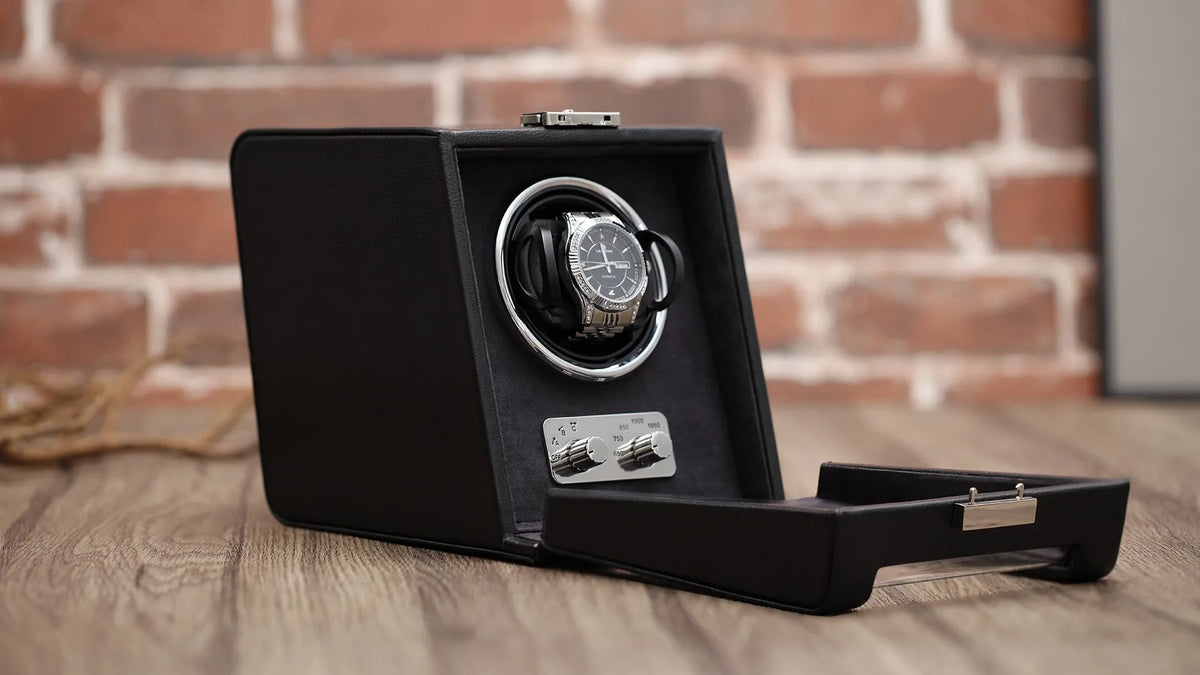
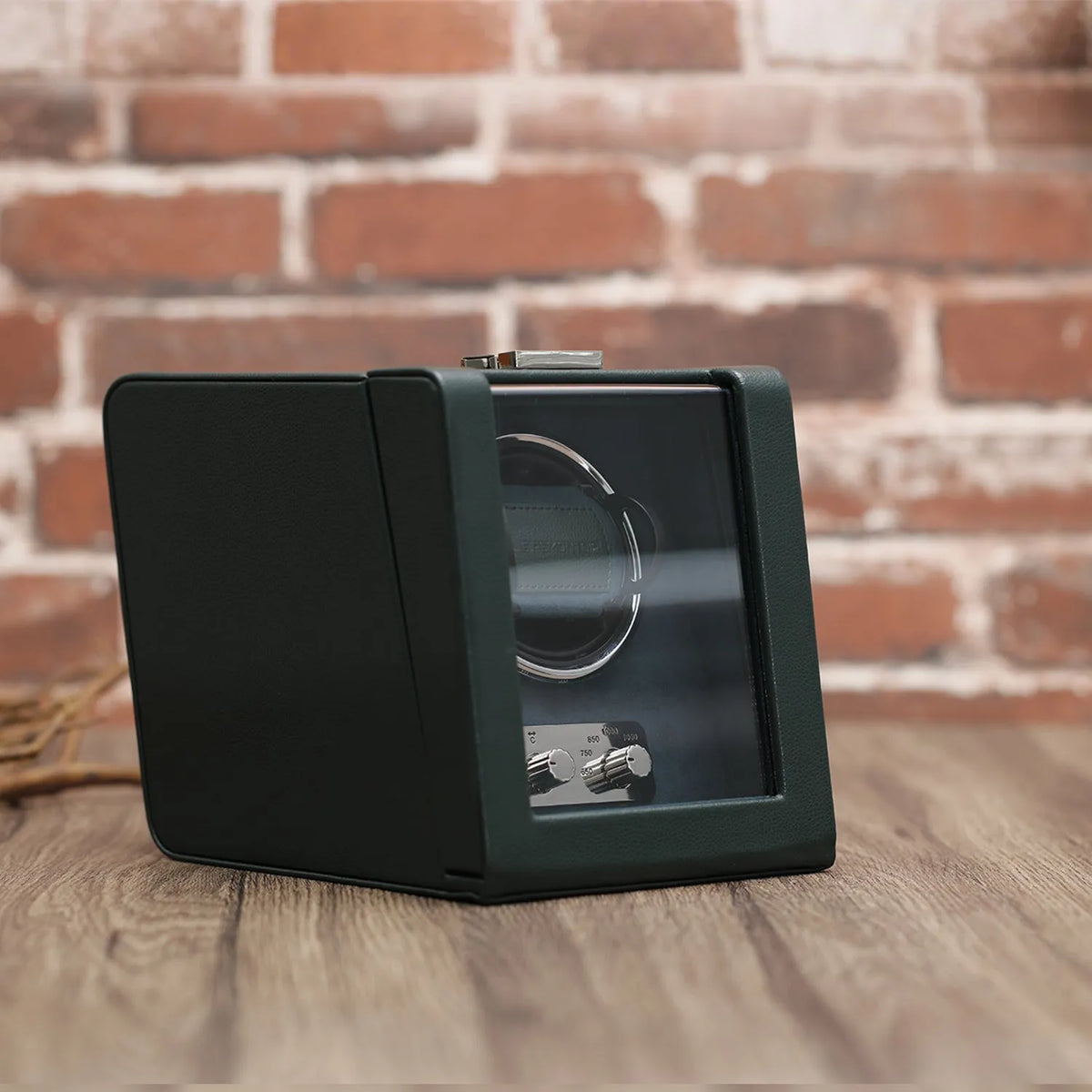
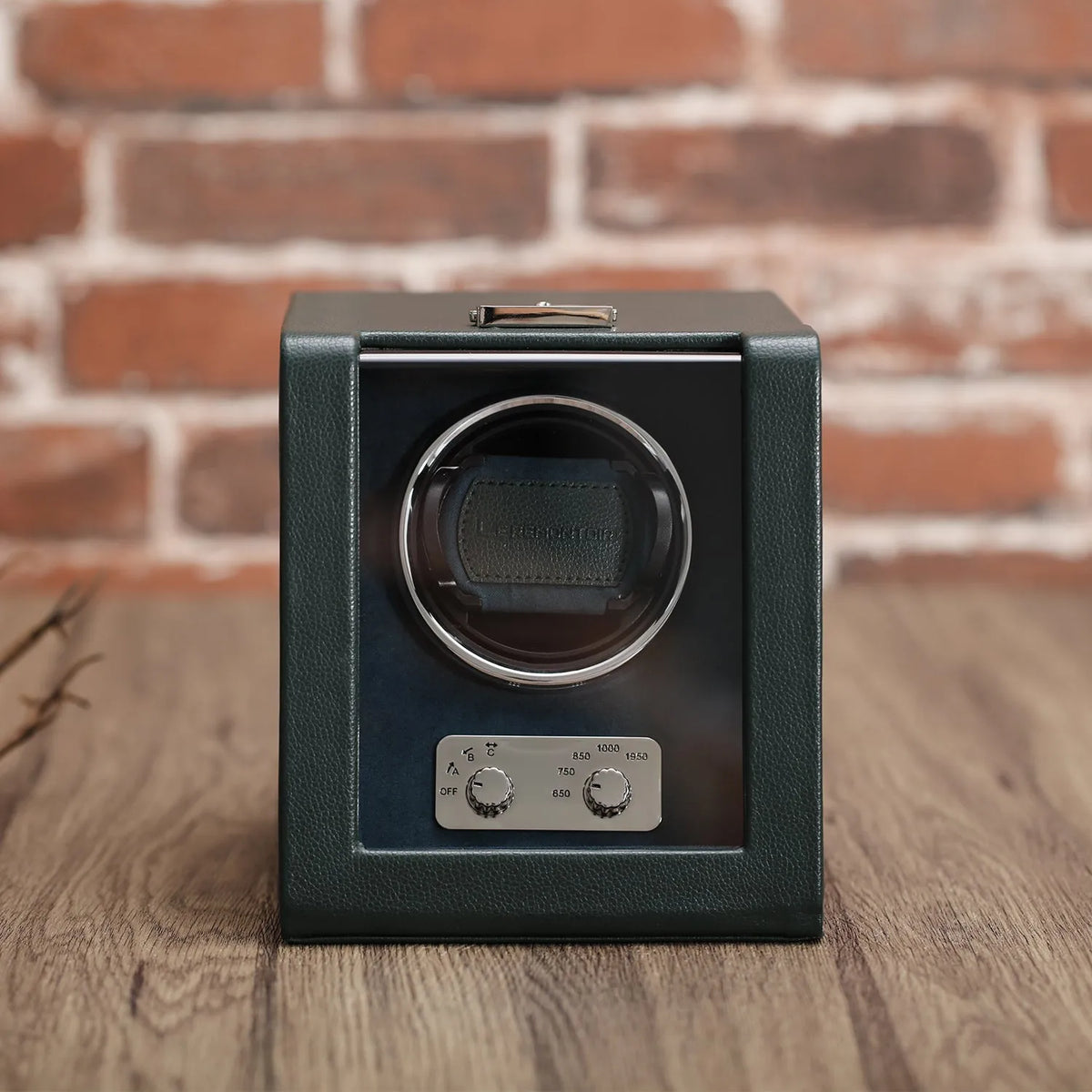
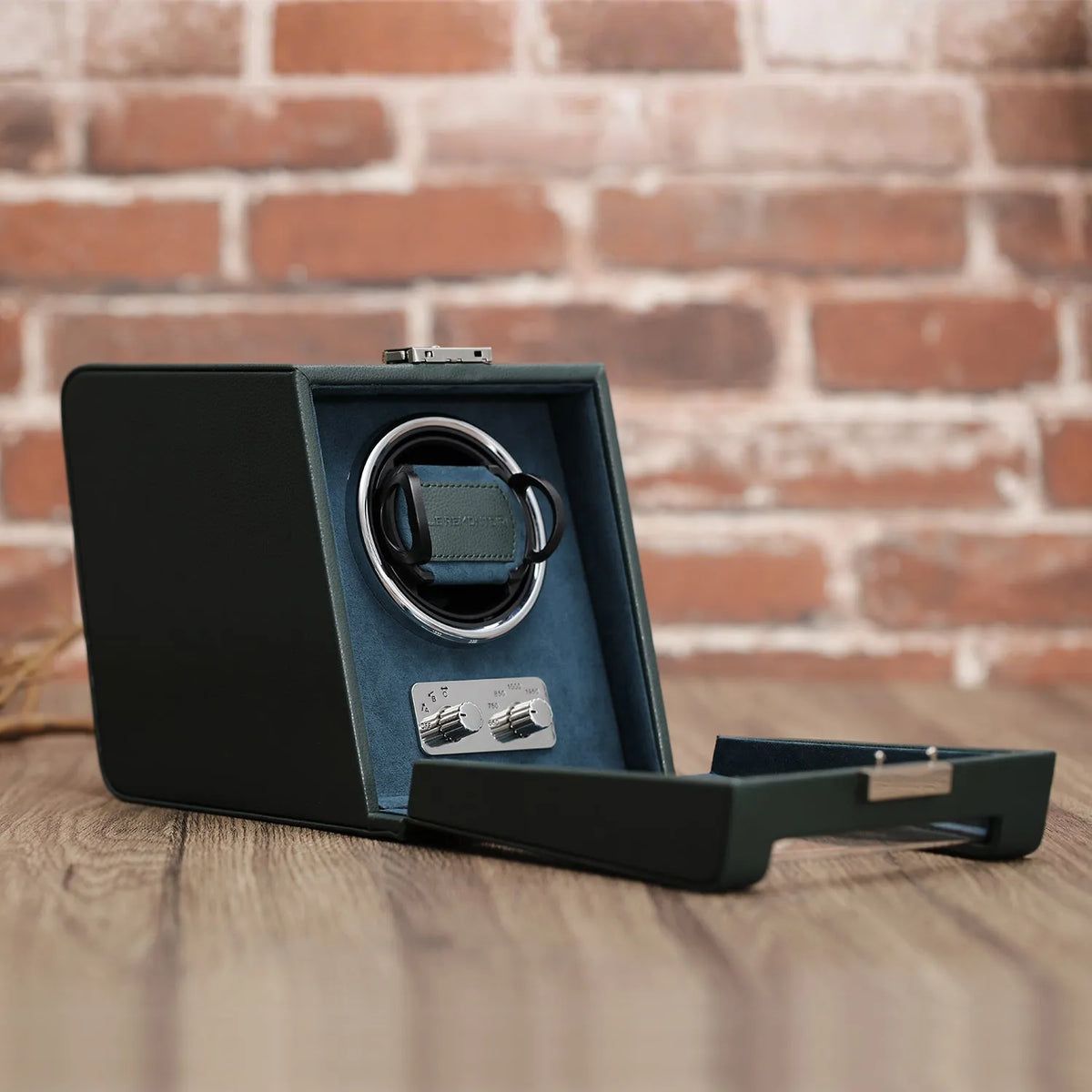
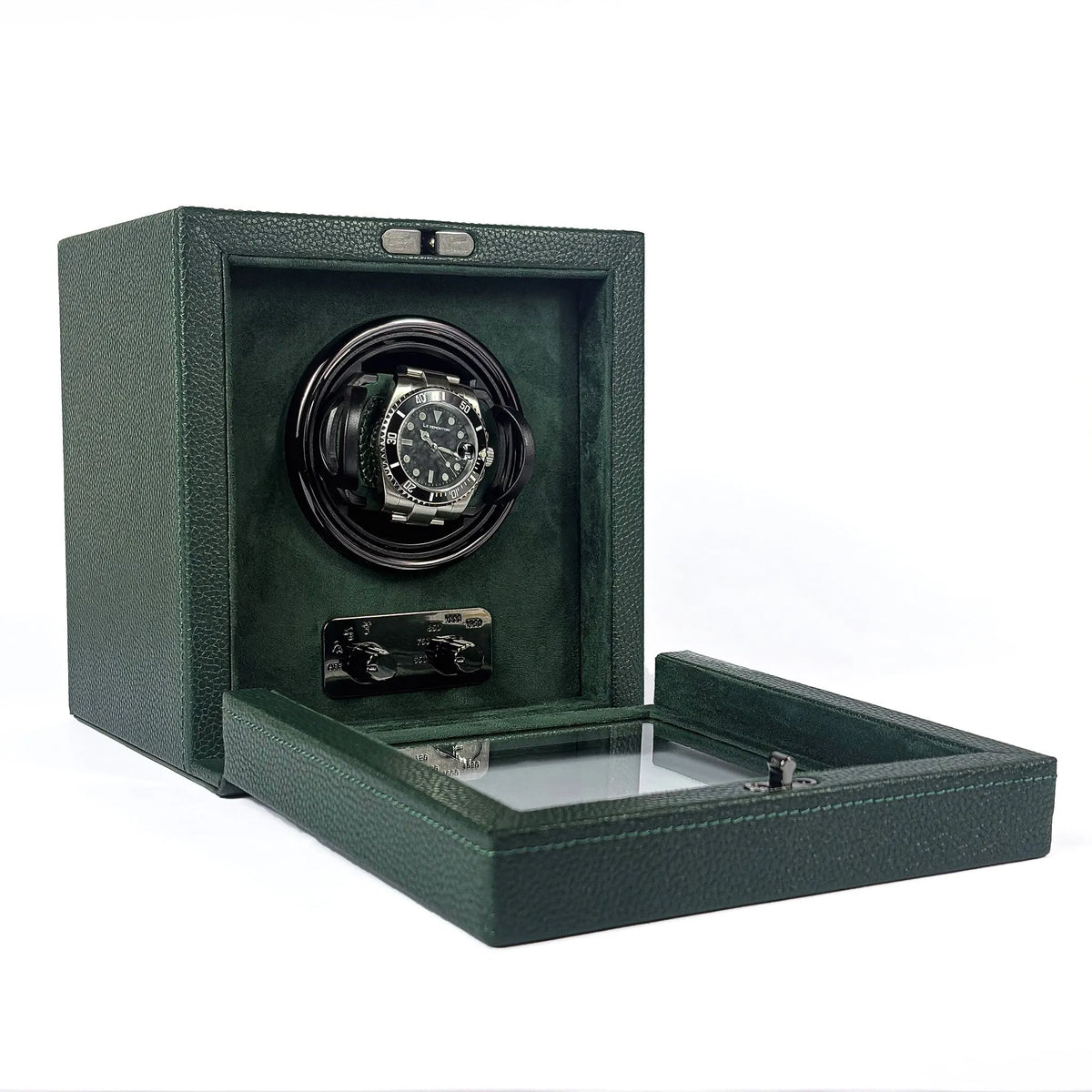
Imagine holding a piece of history in your hands, a mechanism meticulously crafted in a time before our digital conveniences, a testament to the ingenuity of past watchmakers. Antique watches are not just devices to tell time; they are gems that connect us to a bygone era. Their intricacies and beauty deserve our utmost care and attention to preserve their longevity. In this blog post, we will guide you through the delicate process of setting an antique watch, whilst paying a subtle tribute to the modern solution presented by watch-winders.
1. Gently Assess the Condition
Antique watches, often known as mechanical or pocket watches, require a gentle touch to avoid damaging internal mechanisms. Before setting the time, make sure that your hands are clean, dry, and free of oils, which may introduce dirt or other contaminants into the delicate movement. Carefully open the cover or case by either pressing a button or easing the stem out, depending on the specific design of your antique watch.














Why Does My Watch Lose Time?
How to Pull Out the Crown of a Watch?